
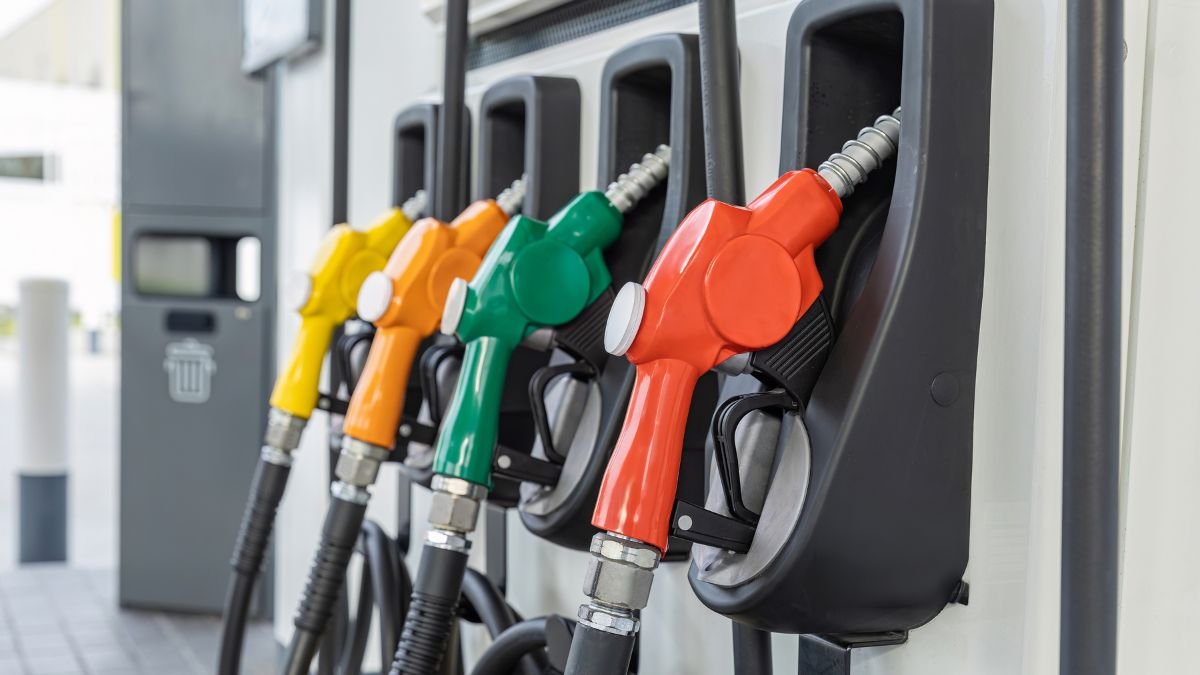
New Zealand’s fuel supply remains stable despite global uncertainties, with the latest update confirming that the country has approximately 46.4 days’ worth of diesel available.
Of this, around 18 days’ worth is currently stored on land, while additional supply is already en route via shipping.
The government has introduced regular updates on fuel availability to keep the public informed, especially amid concerns linked to global geopolitical tensions and supply chain disruptions.
Current Fuel Stock Levels Across New Zealand
According to the latest data released by the Ministry of Business, Innovation and Employment (MBIE), national fuel reserves remain at healthy levels across all categories.
Petrol Supply
- Total: 48.7 days
- On land: 24.5 days
- On water: 24.2 days
Diesel Supply
- Total: 46.4 days
- On land: 18.1 days
- On water: 28.3 days
Jet Fuel Supply
- Total: 43.4 days
- On land: 20.1 days
- On water: 23.4 days
Combined Fuel Stock
Overall, New Zealand has an average of around 46.5 days of fuel supply across petrol, diesel, and jet fuel.
These figures show that while onshore reserves are limited in some categories, incoming shipments play a crucial role in maintaining overall supply stability.
Why the Government Is Monitoring Fuel Closely
The government began publishing twice-weekly fuel updates in response to global tensions, including concerns about disruptions linked to international conflicts.
Prime Minister Christopher Luxon confirmed that a detailed national fuel management strategy is being finalized. This plan is designed to ensure that the country can respond quickly if supply conditions worsen.
The increased transparency aims to:
- Reassure the public about fuel availability
- Provide businesses with planning certainty
- Prepare for potential disruptions
Understanding the National Fuel Plan
New Zealand’s National Fuel Plan follows a structured response model similar to the Covid-19 alert system. It includes four levels of response depending on the severity of supply disruptions.
Key Levels of Response:
- Level 1: Normal operations with monitoring
- Level 2: Early intervention measures
- Level 3: Controlled distribution and prioritization
- Level 4: Strict rationing for essential services only
This framework ensures that fuel can be managed efficiently during emergencies, prioritizing critical sectors such as healthcare, transport, and emergency services.
Incoming Fuel Shipments and Supply Outlook
Fuel availability is supported not just by onshore reserves but also by shipments currently at sea. According to the latest update:
- Two fuel vessels are expected to arrive in New Zealand over the next two weeks
- One shipment is scheduled to arrive by Sunday, carrying petrol and jet fuel
These incoming supplies are essential for maintaining consistent stock levels and preventing shortages.
What This Means for Consumers and Businesses
For now, there is no immediate risk of fuel shortages. The combined availability of onshore reserves and incoming shipments provides a comfortable buffer.
However, the relatively lower levels of diesel on land highlight the importance of:
- Efficient supply chain management
- Timely arrival of shipments
- Continued monitoring of global conditions
Businesses, especially those reliant on diesel such as logistics and agriculture, should remain aware of updates but can operate normally under current conditions.
Conclusion
New Zealand’s fuel supply remains stable, with over 46 days of combined fuel stock available nationwide. While diesel reserves on land are relatively limited, incoming shipments ensure continuity of supply.
The government’s proactive approach—through regular updates and a structured fuel management plan—provides reassurance that the country is prepared for potential disruptions.
For now, both consumers and businesses can remain confident in the stability of fuel availability.
FAQs
1. How many days of fuel does New Zealand currently have?
New Zealand has about 46.5 days of total fuel supply, including petrol, diesel, and jet fuel.
2. Why is diesel availability lower on land?
Diesel stocks are partly stored offshore, with additional supply on ships, which helps maintain overall availability.
3. Is there a risk of fuel shortages in New Zealand?
Currently, there is no immediate risk, as supply levels are stable and more fuel shipments are on the way.