
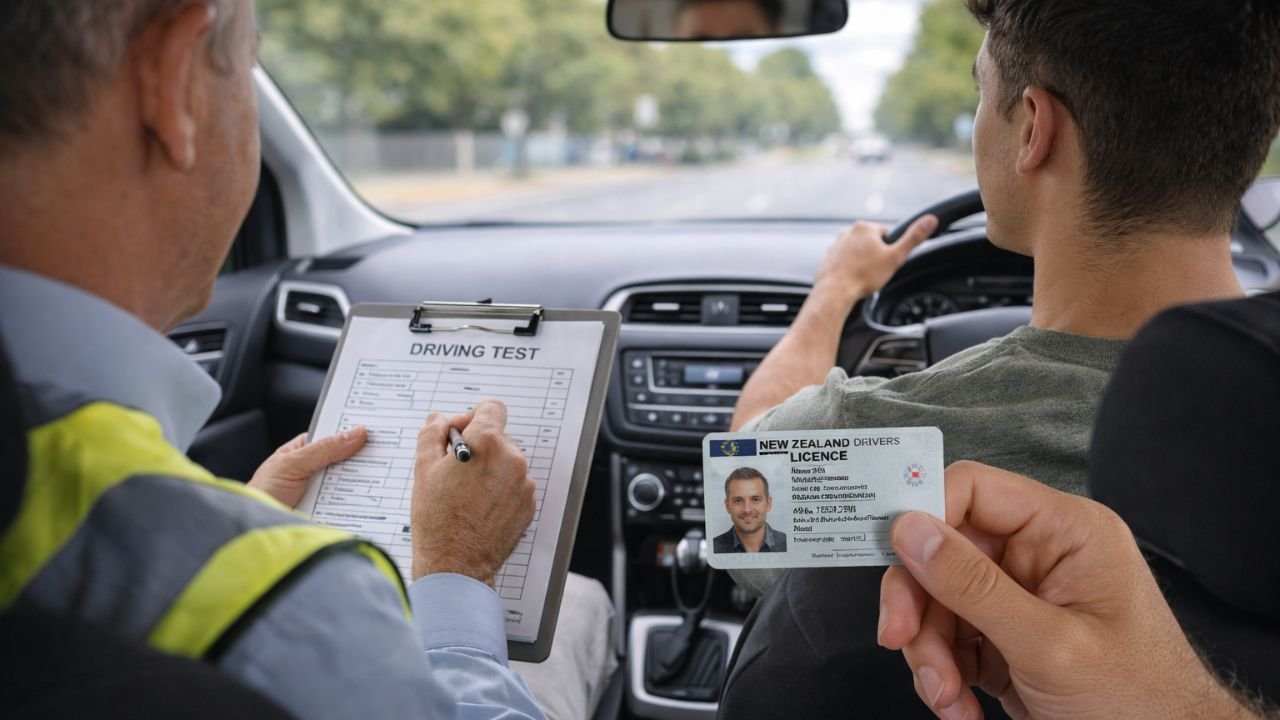
The New NZ Driving Licence Rule 2026 is creating strong interest among drivers because it introduces a major change that could help people save money and time. Under this update, certain drivers may no longer need to take one of the most expensive and time-consuming tests in the licensing process. This change is expected to benefit thousands of people across New Zealand, especially those who already have driving experience or overseas licences.
Who Can Benefit From This Rule
The New NZ Driving Licence Rule 2026 mainly benefits drivers who already have experience. This includes people who hold overseas licences, drivers upgrading their licence, and those who have a clean driving history.
If a person can show proof of safe driving and experience, they may not need to take the full test again. This is especially useful for immigrants or returning residents who already know how to drive.
Even though the rule allows skipping a test, certain conditions must be met. Drivers must provide valid documents, meet safety requirements, and sometimes complete a basic assessment instead of a full test.
How Much Money Can Be Saved
Driving tests in New Zealand can cost hundreds or even thousands of dollars when lessons, test fees, and retests are included. Under the New NZ Driving Licence Rule 2026, skipping a major test can reduce these costs significantly.
Many drivers spend money on multiple attempts because failing a test means paying again. By removing one stage, the total cost drops.
Apart from money, time is another major benefit. Booking a driving test can take weeks or even months. With fewer tests required, drivers can get their licence faster and avoid long waiting periods.
Full Breakdown of the New Rule in Simple Table
| Topic | Simple Explanation |
|---|---|
| Rule Name | New NZ Driving Licence Rule 2026 |
| Main Change | Some drivers can skip a driving test |
| Purpose | Save money and reduce waiting time |
| Who Benefits | Experienced drivers and overseas licence holders |
| Tests Affected | Restricted or full licence test |
| Cost Impact | Saves hundreds to thousands of dollars |
| Time Impact | Faster licence approval |
| Requirements | Valid documents and safe driving history |
| Safety Check | Basic assessment may still be needed |
| Overall Benefit | Easier and cheaper licence process |
Impact on New Drivers and Learners
The New NZ Driving Licence Rule 2026 does not remove all tests for new drivers. Beginners still need to learn basic driving skills and pass initial requirements. However, once they gain experience, future steps may become easier.
Driving schools may also adjust their training methods because fewer tests mean different preparation needs. Instead of focusing only on passing tests, they may focus more on real-world driving skills.
Advantages of the New NZ Driving Licence Rule 2026
One of the biggest advantages of the New NZ Driving Licence Rule 2026 is financial relief. Driving can be expensive, especially for young people. By removing one stage, the total cost becomes more manageable.
Faster access to opportunities
Having a driving licence is important for jobs, education, and daily life. With quicker processing, people can access more opportunities without delays.
Reduced stress and pressure
Driving tests can be stressful, especially when repeated attempts are required. Skipping a test reduces pressure and makes the process smoother.
Possible Concerns and Safety Measures
Some people may worry that skipping a test could reduce safety. However, the New NZ Driving Licence Rule 2026 still includes checks to ensure drivers are capable.
Fairness for all drivers
The rule is designed to be fair by applying clear eligibility criteria. Not everyone can skip a test, only those who meet the required conditions.
Conclusion
The New NZ Driving Licence Rule 2026 is a major update that simplifies the licensing process for many drivers. By allowing eligible individuals to skip a test, it reduces both time and cost while still maintaining safety standards. This change is expected to benefit thousands of people, especially those with prior driving experience.