


Amid rising fuel costs and growing pressure on households, the Green Party has offered its parliamentary support to the National Party to pass an urgent crisis-relief package. However, this backing comes with a set of specific conditions aimed at easing transport costs and addressing broader economic challenges.
The proposal comes at a time when transport authorities are urging the government to encourage greater use of public transport as fuel prices continue to climb.
Key Conditions Set by the Green Party
The Greens have outlined a comprehensive support package designed to assist vulnerable groups and reduce dependence on petrol. Their conditions include:
- Free public transport for commuters
- Financial assistance for low-income households and rural residents facing higher travel costs
- Temporary expansion of school bus eligibility and restoration of previously cut routes
- Reversal of planned reductions to the Total Mobility Scheme, which supports elderly and disabled individuals
- Increased mileage reimbursement rates for care and support workers
- Introduction of a windfall profits tax targeting industries benefiting from external factors such as global conflicts
These measures are intended to provide both immediate relief and longer-term solutions to transport affordability.
Political Strategy and Parliamentary Numbers
Green Party co-leader Marama Davidson confirmed that the party had formally communicated its offer to Prime Minister Christopher Luxon. With the Greens’ 15 votes combined with National’s support, the proposal could secure enough backing—63 votes—to pass legislation without requiring additional party support.
Davidson emphasized that the offer is genuine and aimed at demonstrating cross-party cooperation during a national challenge.
Focus on Equity and Inclusion
A central theme of the Greens’ proposal is ensuring that support reaches those most affected by rising fuel prices. Davidson criticized targeted tax relief approaches that focus only on employed individuals, arguing that such measures exclude vulnerable groups.
She stressed the importance of including:
- Low-income families
- Rural communities
- Superannuitants
- Disabled individuals
The Greens argue that excluding these groups would worsen inequality during an already difficult economic period.
Transport Authorities Push Public Transport Use
Transport agencies across Auckland, Wellington, and Christchurch have also joined the conversation, urging the government to promote public transport as a cost-effective alternative.
Recent data shows a significant increase in ridership, with Auckland recording its busiest public transport day since 2019. Authorities say there is sufficient capacity across buses, trains, and ferries to handle increased demand.
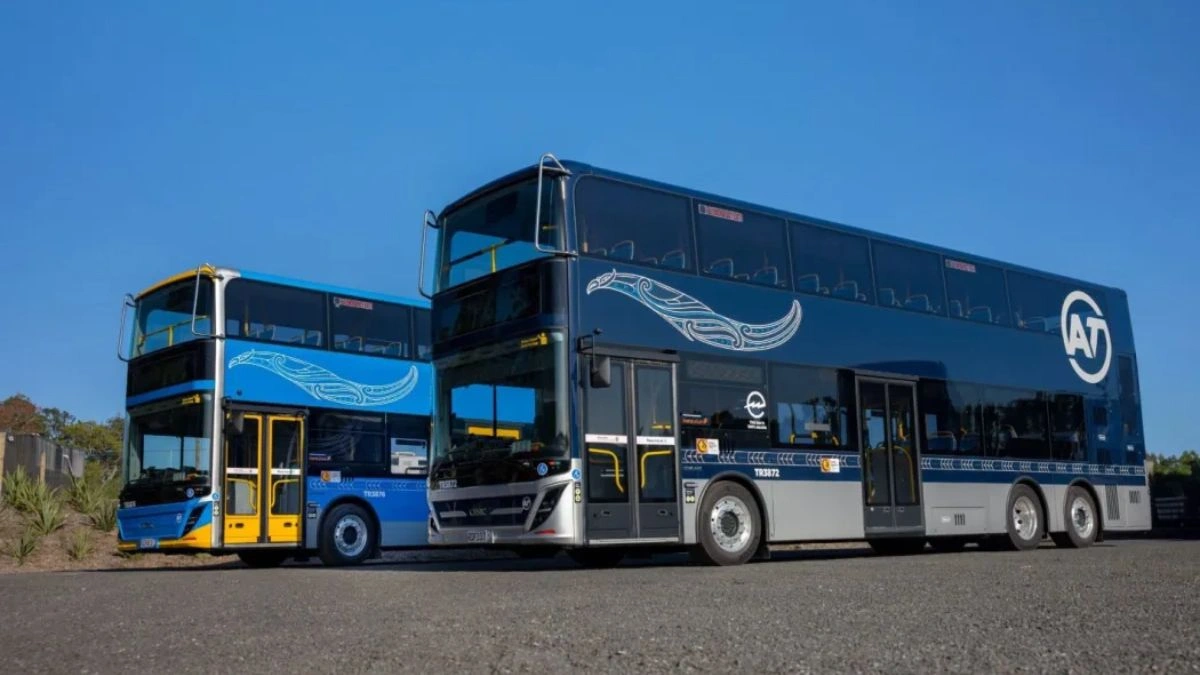
Auckland Transport highlighted its growing electric fleet, including trains, buses, and ferries, with plans to further expand electric bus numbers by mid-2026 and transition بالكامل to a fully electric fleet by 2035.
Government Response and Economic Context
Finance Minister Nicola Willis acknowledged that New Zealanders are experiencing significant financial strain due to high fuel prices. She noted that many are already adapting by using public transport, carpooling, or reducing travel.
While the government is considering targeted support measures, Willis dismissed the idea of broad fuel price cuts, stating that more focused assistance would better address the needs of citizens.
Officials are also monitoring fuel supply stability, with approximately seven weeks of fuel currently available, contingent on continued shipments.
Timeline and Temporary Nature of the Proposal
The Greens have proposed that their relief package remain in place for three months, providing immediate assistance while allowing time to develop longer-term strategies.
Davidson explained that this timeframe would help policymakers assess global developments and determine sustainable solutions moving forward.
Conclusion
The Green Party’s conditional offer to support National’s crisis-relief legislation reflects a rare opportunity for cross-party collaboration during a period of economic strain. By focusing on equitable support, public transport expansion, and targeted financial relief, the proposal aims to address both immediate pressures and long-term sustainability. Whether the government accepts these conditions will play a crucial role in shaping New Zealand’s response to the ongoing fuel crisis.
FAQs
What is the Greens’ main condition for supporting the relief package?
They require measures such as free public transport, targeted financial support, and a windfall profits tax.
How many votes could the Greens and National secure together?
Combined, they could reach 63 votes, enough to pass legislation without other parties.
How long would the proposed relief package last?
The Greens suggest a temporary duration of three months.