


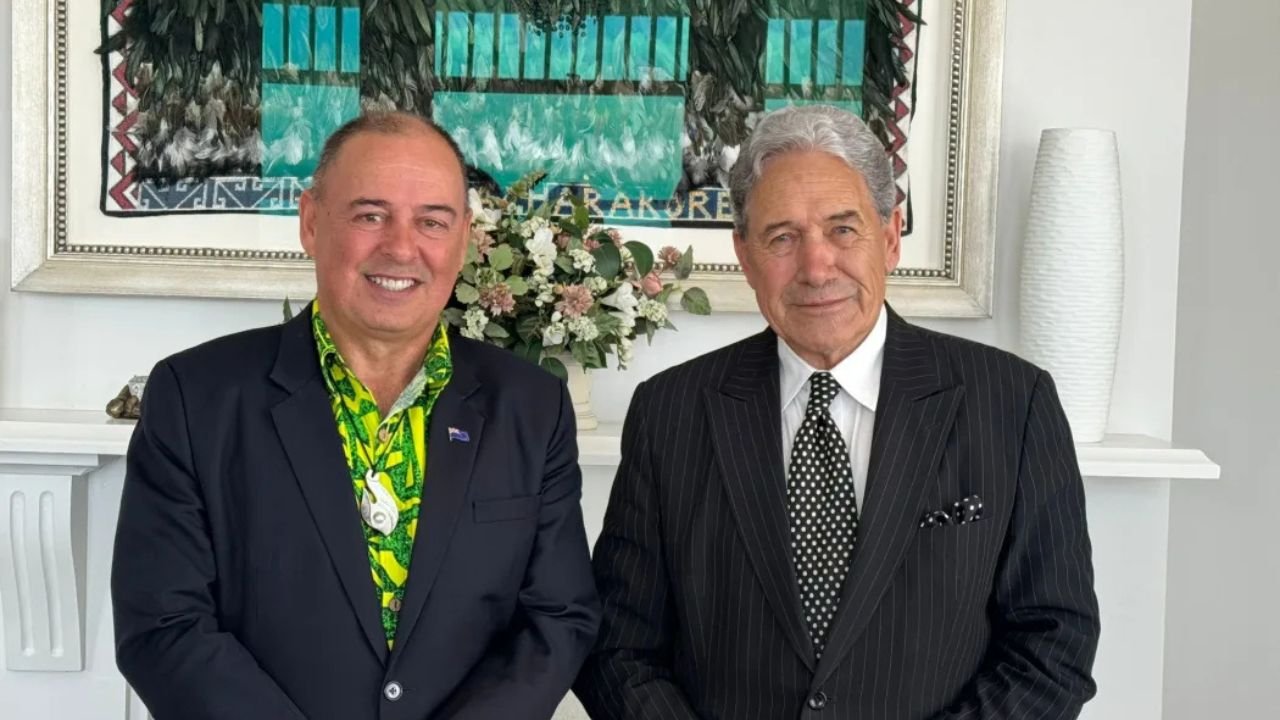
The recent visit of Cook Islands Prime Minister Mark Brown to New Zealand has sparked widespread discussion, especially after it was confirmed that he did not hold any official talks with New Zealand Prime Minister Christopher Luxon. This development has drawn attention to the current state of diplomatic engagement between the two Pacific partners, raising questions about political priorities, regional cooperation, and future relations.
Background of the Visit
Why Mark Brown Traveled to New Zealand
Cook Islands Prime Minister Mark Brown’s visit to New Zealand was part of his broader regional engagement efforts. These visits often include discussions with officials, participation in events, and strengthening ties with communities that have strong cultural and historical links to the Cook Islands.
New Zealand is a key partner for the Cook Islands, with close constitutional, economic, and social connections. Citizens of the Cook Islands are also New Zealand citizens, making the relationship unique compared to many other Pacific nations.
Despite the importance of this partnership, the visit did not include a formal meeting with New Zealand Prime Minister Christopher Luxon, which has become the central focus of public and media attention.
No Meeting With Christopher Luxon
What Happened During the Visit
Although Mark Brown was present in New Zealand, there were no official talks scheduled between him and Christopher Luxon. This absence of a high-level meeting has led to speculation about whether it was due to scheduling conflicts, differing priorities, or deeper diplomatic considerations.
Officials from both sides have not indicated any tension or disagreement, suggesting that the lack of a meeting may simply be due to logistical reasons. However, such visits typically include at least a brief interaction between leaders, which makes this situation notable.
Possible Reasons Behind the Absence
There are several possible explanations for why the meeting did not take place:
- Busy schedules of both leaders
- Focus on domestic political agendas
- Timing of the visit not aligning with official diplomatic calendars
- Informal or lower-level engagements taking precedence
While none of these reasons have been officially confirmed, they highlight how complex international scheduling and diplomacy can be.
Importance of Cook Islands–New Zealand Relations
A Unique Political Relationship
The Cook Islands and New Zealand share a special constitutional arrangement known as “free association.” This means that while the Cook Islands is self-governing, New Zealand provides support in areas such as defense and foreign affairs when requested.
This relationship is built on trust, shared history, and mutual respect, making regular communication between leaders important.
Economic and Cultural Ties
The connection between the two nations goes beyond politics. There are strong economic and cultural links, including:
- Trade partnerships
- Tourism exchanges
- Family and community connections
- Education and healthcare support
These ties make it essential for both governments to maintain open communication and collaboration.
Key Highlights of the Visit
What Mark Brown Focused On
Even without a meeting with Luxon, Mark Brown’s visit included several important engagements. These may have involved:
- Meetings with community leaders
- Discussions with Pacific representatives
- Participation in cultural or official events
- Strengthening diaspora connections
Such activities play a significant role in maintaining relationships at different levels, even when top-level political meetings do not occur.
Table: Overview of the Visit
| Aspect | Details |
|---|---|
| Visitor | Mark Brown (PM of Cook Islands) |
| Destination | New Zealand |
| Main Highlight | No meeting with PM Christopher Luxon |
| Possible Reasons | Scheduling, priorities, logistics |
| Key Focus | Community engagement, regional ties |
| Relationship Type | Free association partnership |
Public and Political Reactions
Media and Public Interest
The fact that Mark Brown did not meet Christopher Luxon has attracted attention in both countries. Media reports have highlighted the unusual nature of this development, especially given the close ties between the two nations.
Political Interpretation
Some analysts believe that the absence of a meeting does not necessarily indicate any issues in the relationship. Instead, it could reflect changing diplomatic practices or simply timing challenges.
Others, however, see it as a reminder of the importance of maintaining visible and active engagement between leaders, especially in a region where relationships are highly valued.
What This Means for Future Relations
No Immediate Concerns
At this stage, there is no clear indication that the lack of a meeting will have any long-term impact on Cook Islands–New Zealand relations. Both countries continue to work closely on various fronts.
Importance of Continued Dialogue
Even so, regular communication between leaders remains crucial. High-level meetings help set priorities, resolve issues, and strengthen cooperation.
Future visits may include more formal discussions, ensuring that the strong relationship between the Cook Islands and New Zealand continues to grow.
Broader Regional Context
Pacific Diplomacy and Cooperation
The Pacific region relies heavily on strong partnerships and cooperation. Countries often work together on issues such as climate change, economic development, and regional security.
In this context, visits like Mark Brown’s are important opportunities to reinforce alliances, even if not every visit includes top-level meetings.
Growing Importance of Engagement
As global interest in the Pacific region increases, maintaining strong relationships becomes even more important. Both the Cook Islands and New Zealand play key roles in regional stability and cooperation.