


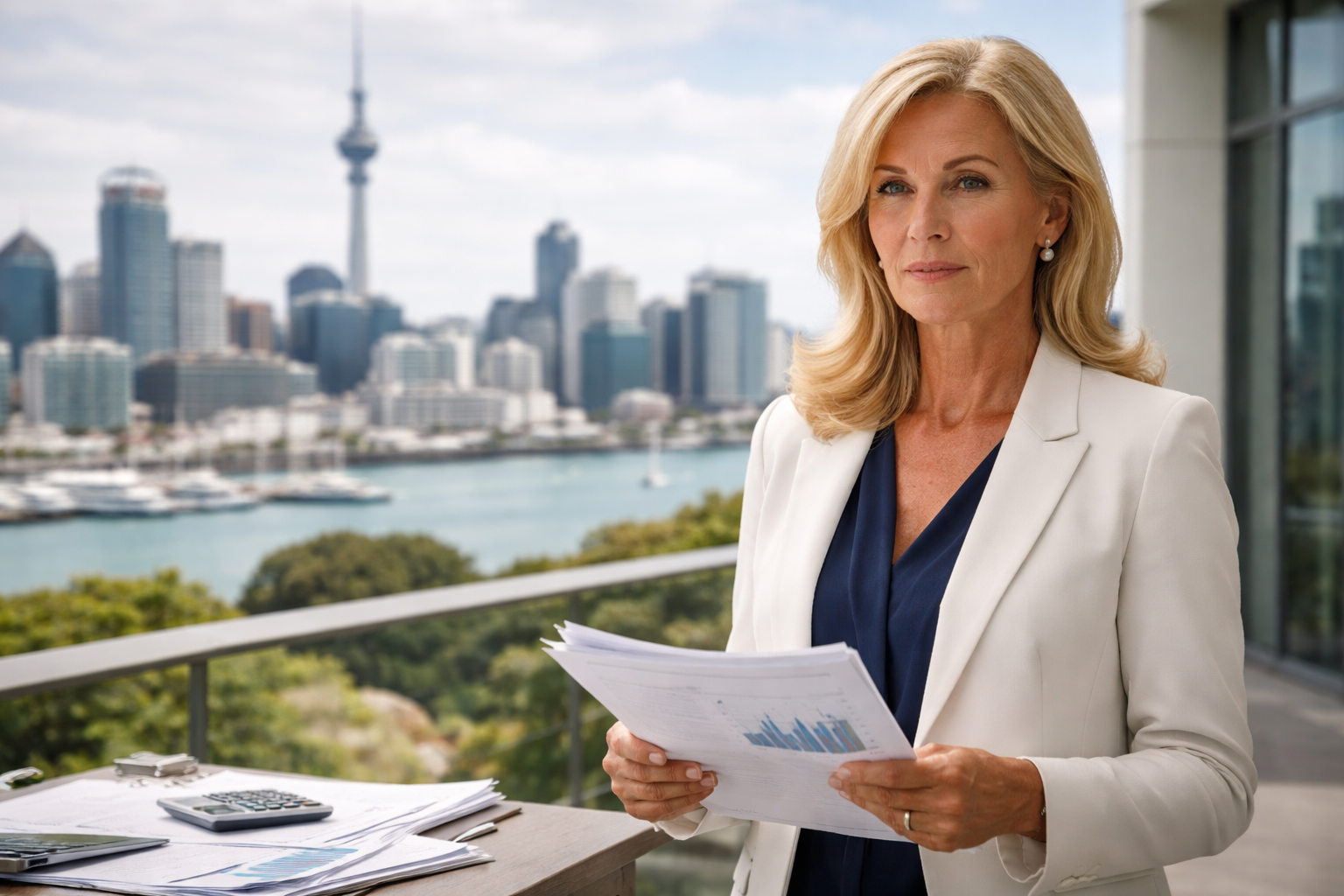
The Auckland Council is taking a major step to manage its finances while trying to protect residents from higher costs. With rising expenses and economic pressure, the council has set a goal to save $106 million. According to Deputy Mayor Desley Simpson, this plan is designed to keep the proposed rates increase at 7.9%, instead of going even higher.
Why Auckland Council Needs to Save $106 Million
Rising Costs and Financial Pressure
Like many cities around the world, Auckland is facing increasing costs. These include:
- Infrastructure maintenance (roads, transport, water systems)
- Staff wages and operational expenses
- Climate-related investments
- Public services such as waste management and parks
The council must balance these rising costs while keeping services running smoothly.
Avoiding Higher Rate Increases
If the council does not find savings, rate increases could go beyond 7.9%, which would place more pressure on households. By targeting $106 million in savings, the council hopes to control how much residents need to pay.
What Are Rates and Why Do They Matter?
Understanding Rates
Rates are essentially local taxes paid by property owners. These funds are used to pay for:
- Roads and transport systems
- Public parks and facilities
- Waste collection
- Community services
Impact on Residents
A rate increase means:
- Higher yearly bills for homeowners
- Increased costs for renters (as landlords may pass on expenses)
- More financial pressure during economic uncertainty
Keeping rates at 7.9% instead of higher levels is seen as a way to reduce the burden.
Key Details of the $106 Million Savings Plan
Where Will the Savings Come From?
The council is looking at multiple areas to reduce spending:
- Cutting non-essential projects
- Improving efficiency in operations
- Reviewing contracts and supplier costs
- Delaying or rescheduling certain developments
Focus on Efficiency
Instead of reducing important services, the goal is to work smarter with existing resources. This includes:
- Digital transformation
- Better resource allocation
- Reducing wasteful spending
Table: Auckland Council Financial Plan Overview
| Category | Details |
|---|---|
| Savings Target | $106 million |
| Proposed Rate Increase | 7.9% |
| Purpose of Savings | To avoid higher rate increases |
| Key Strategy | Efficiency improvements and cost reductions |
| Impact on Residents | Lower financial burden compared to higher rates |
| Leadership Statement | Desley Simpson supports balanced approach |
Role of Desley Simpson in the Plan
Leadership and Strategy
Deputy Mayor Desley Simpson has played a key role in presenting this plan. She has emphasized the importance of:
- Responsible spending
- Protecting residents from financial strain
- Maintaining essential services
Balancing Act
Simpson highlighted that the council must balance:
- Financial responsibility
- Service delivery
- Long-term development
This means making tough decisions while keeping the city functional and growing.
Challenges Auckland Council Faces
Growing Population
Auckland continues to grow rapidly. This creates pressure on:
- Housing
- Transport systems
- Public infrastructure
More people means higher demand for services.
Climate and Infrastructure Costs
The city also needs to invest in:
- Climate resilience projects
- Flood protection
- Sustainable infrastructure
These are expensive but necessary for the future.
Economic Uncertainty
Global economic conditions have affected local budgets. Rising inflation and interest rates have made it harder to manage finances.
How the Plan Affects Auckland Residents
Positive Impacts
- Lower rate increases compared to potential alternatives
- Continued delivery of essential services
- Focus on efficiency rather than heavy cuts
Possible Concerns
- Some projects may be delayed
- Reduced spending in certain areas
- Changes in how services are delivered
Residents may notice adjustments, but the goal is to minimize disruption.
Long-Term Financial Strategy
Sustainable Budgeting
The council is not just thinking about short-term savings. It aims to:
- Build a sustainable financial model
- Avoid large future rate increases
- Improve long-term planning
Investment in Growth
Even with savings, the council must continue investing in:
- Transport systems
- Housing development
- Public facilities
This ensures the city continues to grow and improve.
Public Reaction and Expectations
Mixed Opinions
Some residents support the plan because it avoids higher rates. Others are concerned about:
- Potential service reductions
- Delays in development projects
Need for Transparency
People expect clear communication from the council about:
- Where cuts will happen
- How services will be affected
- What the long-term benefits are
Comparison with Other Cities
Many cities worldwide are facing similar challenges:
- Rising costs
- Budget deficits
- Pressure to limit tax increases
Auckland’s approach of targeted savings instead of heavy rate hikes is being closely watched.
What Happens Next?
Budget Finalization
The council will:
- Review proposals
- Gather public feedback
- Finalize the budget
Implementation Phase
Once approved, the savings plan will be implemented through:
- Department-level changes
- Operational adjustments
- Strategic cost reductions
Why This Plan Matters for the Future
Financial Stability
The savings plan is important to ensure:
- Stable finances
- Reduced debt pressure
- Better planning
Protecting Residents
By limiting rate increases, the council aims to:
- Support households
- Reduce financial stress
- Maintain affordability