
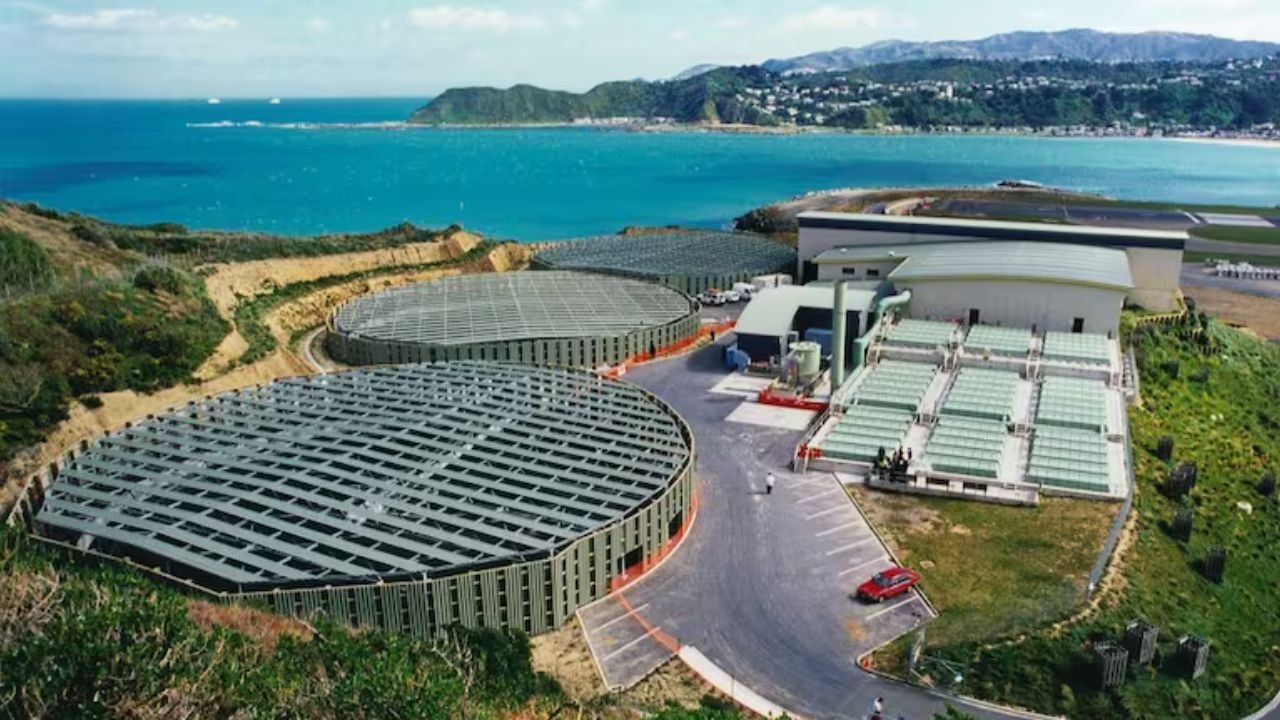
The recent failure at the Moa Point Treatment Plant has raised serious concerns about infrastructure reliability and wastewater management systems. Early investigations have pointed to a major technical issue—significant trapped air within the system—as a key factor behind the disruption. This incident has not only impacted plant operations but also sparked discussions about maintenance practices, system design, and preventive strategies.
Understanding the Moa Point Treatment Plant Incident
The Moa Point Treatment Plant plays a vital role in managing wastewater, ensuring that it is treated safely before being released back into the environment. When the system failed, it disrupted normal operations and created potential environmental risks.
What Exactly Happened?
According to early reports, the plant experienced a sudden malfunction that affected its ability to process wastewater efficiently. Engineers and investigators quickly began examining the system to identify the root cause.
The findings revealed that air pockets had accumulated within critical sections of the pipeline system, leading to operational instability. These air pockets interfered with the normal flow of water and placed unexpected pressure on equipment.
Why This Failure Matters
A treatment plant failure is not just a technical issue—it has broader consequences:
- It can affect public health and environmental safety
- It may lead to untreated wastewater discharge
- It disrupts essential city infrastructure services
- It increases operational and repair costs
The Role of Trapped Air in System Failure
One of the most important discoveries in this case is the role of trapped air, which was described as a “significant factor” in the failure.
How Trapped Air Develops
Trapped air can enter water systems in several ways:
- During pipeline filling or maintenance
- Through leaks or faulty seals
- Due to improper system design or slope issues
- From pump operations that introduce air into the flow
Once inside, air can accumulate at high points in pipelines, forming pockets that disrupt normal flow.
Why Trapped Air Is Dangerous
Although it might seem harmless, trapped air can create serious problems:
- It reduces flow efficiency, slowing down operations
- It can cause pressure surges, also known as water hammer
- It leads to mechanical stress on pipes and pumps
- It increases the risk of equipment failure
In the case of the Moa Point Treatment Plant, these air pockets likely caused irregular pressure and flow patterns, ultimately contributing to the system breakdown.
Key Factors Behind the Moa Point Failure
To better understand the issue, here is a breakdown of the main contributing factors:
| Factor | Description | Impact |
|---|---|---|
| Trapped Air | Air pockets accumulated in pipelines | Disrupted flow and caused pressure imbalance |
| System Design | Possible lack of proper air release mechanisms | Increased risk of air buildup |
| Maintenance Gaps | Insufficient monitoring of air levels | Delayed detection of the problem |
| Pressure Fluctuations | Sudden changes in pressure due to trapped air | Equipment stress and malfunction |
| Operational Stress | Continuous system load without adjustment | Accelerated system failure |
This table highlights how multiple factors combined to create a larger issue, with trapped air acting as a central trigger.
Technical Explanation of the Failure
From a technical perspective, wastewater treatment systems rely on consistent flow and pressure. When air enters the system, it disrupts this balance.
Pressure Imbalance
Air pockets compress and expand differently than water. This creates:
- Uneven pressure distribution
- Sudden spikes when air is released
- Increased wear on system components
Flow Disruption
Air can block sections of pipes, causing:
- Reduced water movement
- Backflow or turbulence
- Inefficient treatment processes
Equipment Damage
Pumps and valves are designed to handle liquid, not air. When air enters:
- Pumps may lose efficiency or overheat
- Valves may malfunction
- Sensors may give incorrect readings
These issues likely combined to cause the failure at the Moa Point facility.
Preventing Similar Failures in the Future
The Moa Point incident highlights the importance of proactive system management. There are several ways to reduce the risk of trapped air causing similar failures.
Installing Air Release Valves
Air release valves are essential for removing trapped air from pipelines. These devices:
- Automatically release accumulated air
- Maintain consistent pressure
- Improve system efficiency
Regular Monitoring and Maintenance
Routine inspections can help detect problems early. Key steps include:
- Monitoring pressure levels
- Checking for unusual flow patterns
- Inspecting pipelines for leaks or damage
Improved System Design
Modern infrastructure planning should consider:
- Proper pipe slopes to prevent air accumulation
- Strategic placement of air vents
- Advanced modeling to predict airflow behavior
Staff Training and Awareness
Operators should be trained to recognize early warning signs of trapped air, such as:
- Strange noises in pipelines
- Fluctuating pressure readings
- Reduced system performance
Environmental and Public Impact
A failure at a wastewater treatment plant can have serious environmental consequences.
Potential Risks
- Release of untreated or partially treated wastewater
- Contamination of nearby water bodies
- Harm to marine life and ecosystems
- Public health concerns
Although the full impact of the Moa Point failure is still being assessed, such incidents highlight the importance of reliable infrastructure.
Lessons Learned from the Incident
The Moa Point Treatment Plant failure serves as a reminder that even small issues, like trapped air, can lead to major system breakdowns.
Key Takeaways
- Minor technical issues can escalate quickly
- Proper system design is crucial for long-term stability
- Regular maintenance is essential for preventing failures
- Advanced monitoring systems can detect early warning signs
By addressing these areas, utilities can improve resilience and avoid costly disruptions.