
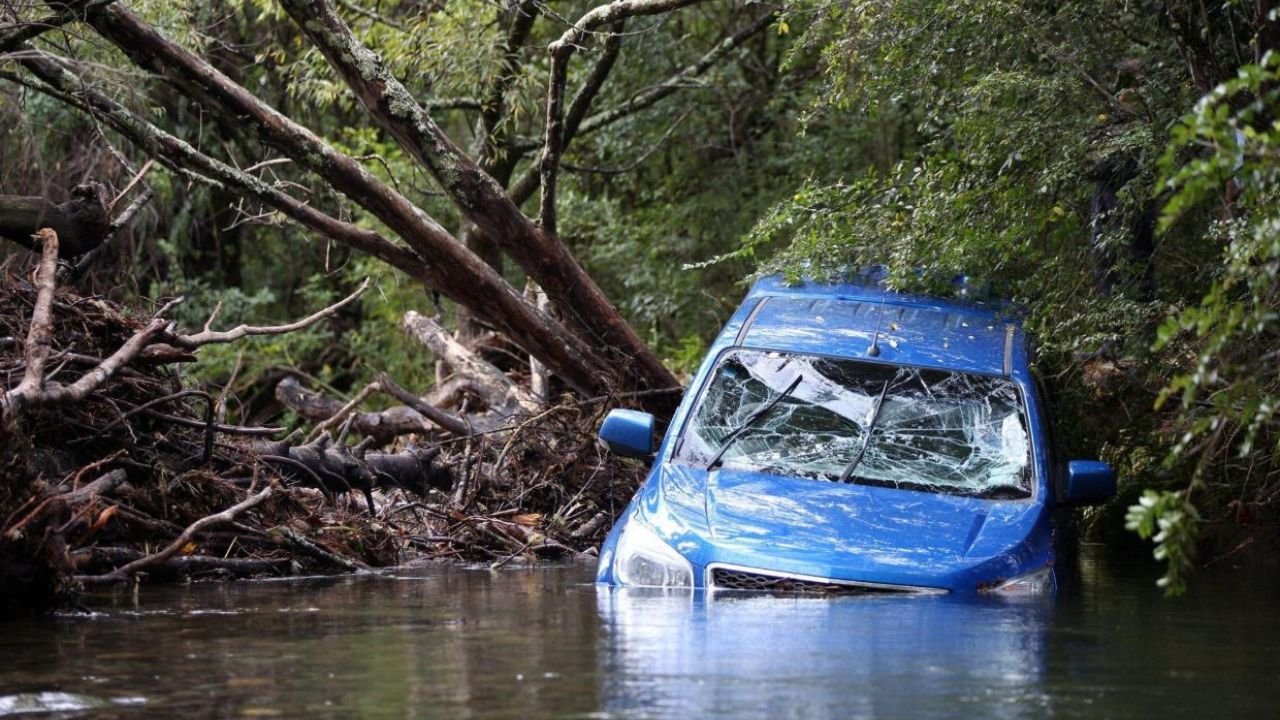
Severe weather events can cause unexpected damage, but when floods hit areas known for preserving history, the loss feels even deeper. Recently, the Coromandel region experienced intense flooding that left many classic cars submerged in water. These vehicles were not just machines—they were valuable pieces of history, passion projects, and prized possessions for collectors. This incident has raised concerns about flood preparedness, climate risks, and the vulnerability of rare assets. In this article, we will explore what happened, why it matters, and what lessons can be learned from the Coromandel flooding classic cars submerged situation.
What Happened in the Coromandel Flooding?
Sudden Rise in Water Levels
The Coromandel region witnessed heavy rainfall over a short period, leading to rivers overflowing and low-lying areas being flooded quickly. The rapid increase in water levels caught many residents off guard.
Impact on Storage Facilities
Several garages, storage units, and private collections were located in flood-prone zones. As water entered these spaces, it submerged multiple classic cars, some of which had been restored over decades.
Extent of the Damage
Many vehicles were fully underwater for hours, while others were partially submerged. The longer a car remains in water, the greater the damage to its engine, electrical systems, and interior.
Why Classic Cars Were at Risk
Valuable but Vulnerable Assets
Classic cars are often stored in specific environments to protect them from dust, rust, and temperature changes. However, these storage spaces are not always designed to handle extreme flooding.
Limited Mobility During Emergencies
Unlike daily-use vehicles, classic cars are not always ready to be moved quickly. Some may not be in running condition, making evacuation during emergencies difficult.
Location Challenges
Many collectors choose scenic areas like Coromandel to store or display their vehicles. Unfortunately, such regions can also be more exposed to natural disasters like floods.
Types of Damage Caused by Flooding
Mechanical Damage
Water entering the engine can cause severe issues, including engine failure. Saltwater or muddy water can make the damage even worse.
Electrical System Failure
Modern restorations often include updated wiring and electronics. Floodwater can short-circuit these systems, leading to costly repairs.
Interior Destruction
Leather seats, carpets, and wooden trims absorb water quickly. Once soaked, they are difficult to restore to their original condition.
Rust and Corrosion
Even after the water recedes, moisture trapped in hidden parts of the car can cause rust over time.
Summary of Damage to Classic Cars
| Damage Type | What Happens | Repair Difficulty | Cost Impact |
|---|---|---|---|
| Engine Damage | Water enters engine causing failure | Very High | Very Expensive |
| Electrical Failure | Short circuits in wiring and systems | High | Expensive |
| Interior Damage | Seats and carpets get soaked | Medium | Moderate |
| Rust & Corrosion | Metal parts start degrading over time | High | Expensive |
| Paint Damage | Water stains and peeling | Medium | Moderate |
Emotional and Financial Impact on Owners
Emotional Loss
For many owners, classic cars are more than just vehicles. They represent memories, time, and effort. Seeing them damaged can be heartbreaking.
Financial Consequences
Classic cars can be extremely valuable. Some rare models are worth thousands or even millions. Flood damage can significantly reduce their value.
Insurance Complications
Not all insurance policies fully cover flood damage for collectible vehicles. Owners may face difficulties in claiming full compensation.
Role of Climate Change in Increasing Flood Risks
More Frequent Extreme Weather
Climate change has led to more unpredictable weather patterns, including heavy rainfall events that increase flood risks.
Changing Risk Zones
Areas previously considered safe may now face flooding due to changing environmental conditions.
Need for Better Planning
The Coromandel flooding classic cars submerged damage highlights the importance of adapting to new climate realities and planning accordingly.
Steps Taken After the Flood
Emergency Response
Local authorities and volunteers worked quickly to assist affected residents and assess the damage.
Vehicle Recovery Efforts
Owners and restoration experts began the process of removing water and drying vehicles as quickly as possible.
Restoration Attempts
Some cars may be restored, but the process is time-consuming and expensive. Others may be beyond repair.
How Classic Car Owners Can Protect Their Vehicles
Choose Safer Storage Locations
Avoid storing valuable vehicles in flood-prone areas. Elevated storage facilities can reduce risk.
Install Flood Protection Systems
Barriers, drainage systems, and water sensors can help protect vehicles during sudden floods.
Regular Maintenance Checks
Ensuring that vehicles are in working condition allows for quick relocation if needed.
Insurance Coverage Review
Owners should check that their insurance policies include comprehensive flood coverage.
Preventive Measures for Future Flooding
Improved Infrastructure
Better drainage systems and flood barriers can reduce the impact of heavy rainfall.
Early Warning Systems
Timely alerts can help residents move valuable assets before flooding occurs.
Community Awareness
Educating communities about flood risks can lead to better preparedness.
Lessons Learned from the Coromandel Flooding
Importance of Preparedness
The flooding showed that even unexpected areas can be affected, making preparation essential.
Value of Quick Action
Early response can reduce damage significantly, especially for sensitive assets like classic cars.
Need for Long-Term Solutions
Short-term fixes are not enough. Long-term planning is necessary to protect against future disasters.
Broader Impact on the Classic Car Community
Rising Awareness
The incident has increased awareness about the risks associated with storing classic cars in vulnerable areas.
Changes in Storage Practices
Collectors may now reconsider where and how they store their vehicles.
Increased Demand for Protection Solutions
There may be a growing demand for flood-resistant storage facilities and specialized insurance plans.