
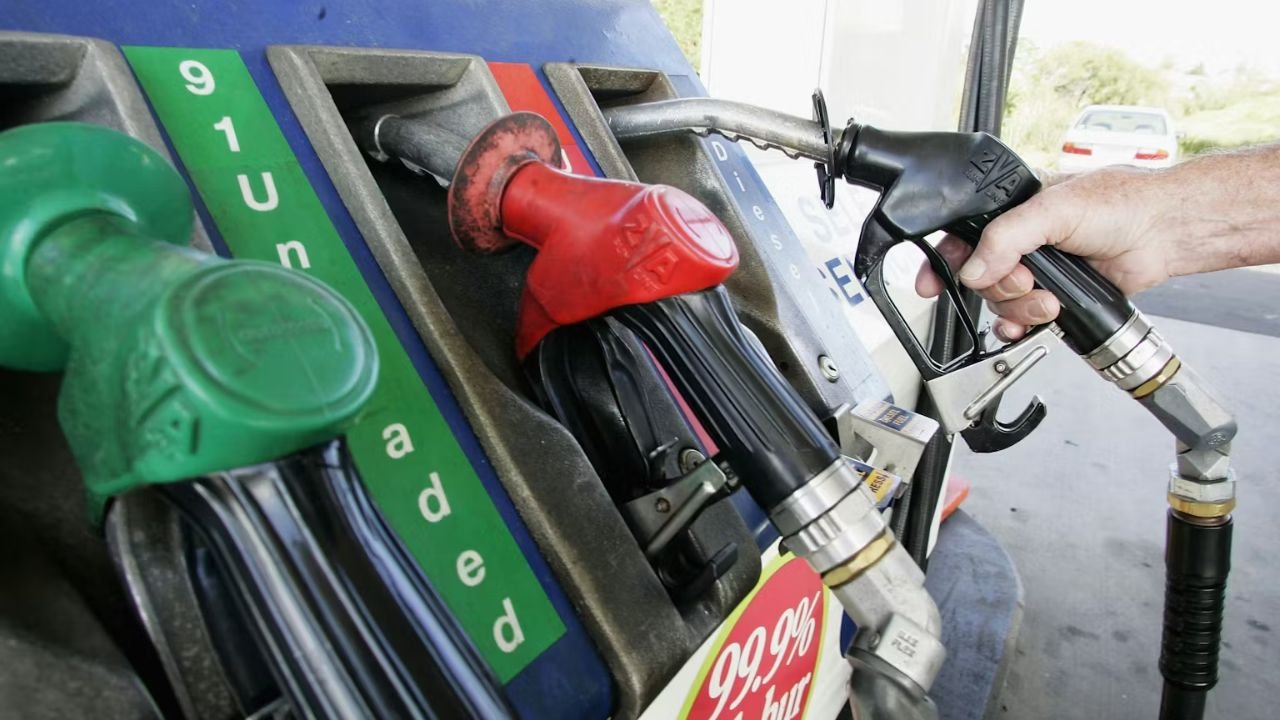
Global energy markets are once again under pressure, and the return of an oil shock is becoming a serious concern for many countries. For New Zealand, this situation is not entirely new. The nation has experienced similar disruptions in the past, especially during the oil crises of the 1970s and early 2000s. These historical events reshaped the country’s economy, energy policies, and long-term planning strategies.
Understanding the Current Oil Shock
What Is an Oil Shock?
An oil shock occurs when there is a sudden increase in oil prices due to disruptions in supply or unexpected spikes in demand. These shocks can affect transportation, manufacturing, electricity generation, and overall economic stability.
In recent times, factors contributing to the current oil shock include:
- Geopolitical conflicts affecting oil-producing regions
- Supply chain disruptions after global crises
- Increased global demand as economies recover
- Limited investment in traditional energy sources
For a country like New Zealand, which relies heavily on imported fuel, these changes can have a direct and immediate impact.
Historical Oil Crises in New Zealand
The 1970s Oil Crisis
The most notable oil shock in New Zealand’s history occurred during the 1970s. During this period, global oil prices surged dramatically due to political tensions in the Middle East.
Key Effects on New Zealand:
- Rapid increase in fuel prices
- Inflation across essential goods
- Reduced economic growth
- Government intervention in energy use
The government introduced measures such as car-free days, reduced speed limits, and energy conservation campaigns. These actions were aimed at reducing fuel consumption and managing limited resources.
The Early 2000s Energy Pressure
While not as severe as the 1970s crisis, the early 2000s saw rising oil prices that still impacted New Zealand’s economy.
Key Observations:
- Increased transportation costs
- Higher electricity prices
- Pressure on household budgets
- Growing interest in renewable energy
This period marked the beginning of a stronger focus on energy diversification and sustainability.
Comparing Past and Present Oil Shocks
To better understand the situation, let us compare previous oil shocks with the current scenario.
Oil Shock Comparison Table
| Factor | 1970s Crisis | Early 2000s | Current Situation |
|---|---|---|---|
| Main Cause | Middle East conflict | Rising demand | Global tensions + supply issues |
| Impact on Prices | Extremely high | Moderately high | Rapidly increasing |
| Government Response | Strict controls | Policy adjustments | Strategic planning |
| Public Awareness | Low initially | Moderate | High |
| Focus on Renewables | Minimal | Growing interest | Major priority |
This comparison shows that while the causes differ, the economic pressure remains a constant challenge.
Economic Impact on New Zealand
Rising Cost of Living
One of the most immediate effects of an oil shock is an increase in the cost of living. Fuel prices influence nearly every sector, including:
- Food transportation
- Public transport fares
- Manufacturing costs
- Utility bills
As fuel becomes more expensive, businesses often pass these costs on to consumers, leading to inflation.
Impact on Businesses
Small and medium-sized businesses are particularly vulnerable during an oil shock. Increased operating costs can reduce profit margins and limit growth.
Key Challenges for Businesses:
- Higher logistics and delivery expenses
- Increased production costs
- Reduced consumer spending
- Supply chain disruptions
Companies that rely heavily on transportation, such as agriculture and retail, feel the impact the most.
Pressure on Government Budgets
The government may need to introduce subsidies or financial support to reduce the burden on citizens. However, this can put pressure on national budgets and increase public debt.
Lessons from Past Oil Crises
Importance of Energy Diversification
One of the biggest lessons New Zealand learned is the need to diversify energy sources. Relying heavily on imported oil makes the country vulnerable to global disruptions.
Key Takeaway:
Investing in renewable energy sources such as wind, solar, and hydro can reduce dependence on oil.
Need for Strong Policy Planning
Past crises showed that quick and effective government action is essential. Policies must be ready before a crisis occurs.
Examples of Effective Strategies:
- Strategic fuel reserves
- Energy efficiency programs
- Public awareness campaigns
Encouraging Public Participation
During the 1970s crisis, public cooperation played a major role in reducing fuel consumption. Today, similar efforts can help manage demand.
Possible Actions:
- Using public transport
- Reducing unnecessary travel
- Adopting energy-efficient habits
The Role of Renewable Energy
Transition to Clean Energy
New Zealand has already made significant progress in renewable energy. A large portion of its electricity comes from renewable sources.
Benefits of Renewable Energy:
- Reduced reliance on imported oil
- Lower long-term costs
- Environmental sustainability
- Greater energy security
Challenges in Transition
Despite the benefits, shifting entirely to renewable energy is not easy.
Key Challenges:
- High initial investment
- Infrastructure development
- Energy storage limitations
- Dependence on weather conditions
However, long-term planning can help overcome these challenges.
Transportation and Fuel Dependency
The Transport Sector Challenge
Transportation is one of the biggest contributors to fuel consumption in New Zealand. Cars, trucks, and aviation rely heavily on oil.
Solutions:
- Promoting electric vehicles (EVs)
- Expanding public transport systems
- Encouraging cycling and walking
Rise of Electric Vehicles
Electric vehicles are becoming more popular as an alternative to traditional fuel-based cars.
Advantages of EVs:
- Lower running costs
- Reduced emissions
- Less dependence on oil
Government incentives can further boost EV adoption.
Preparing for Future Oil Shocks
Building Resilience
New Zealand must focus on building a resilient economy that can withstand future energy disruptions.
Key Strategies:
- Strengthening local energy production
- Investing in technology and innovation
- Diversifying trade partnerships
Strategic Fuel Reserves
Maintaining sufficient fuel reserves can help manage short-term disruptions.
Benefits:
- Immediate response to supply shortages
- Stabilization of fuel prices
- Increased national security
Public Awareness and Education
Educating citizens about energy use and conservation is crucial. Awareness campaigns can encourage responsible consumption.
Global Perspective and Its Impact
Interconnected Energy Markets
New Zealand is part of a global energy system. Changes in one region can affect prices worldwide.
Key Factors:
- International conflicts
- OPEC production decisions
- Global economic trends
Understanding these factors helps in better planning and forecasting.
Long-Term Opportunities
Innovation and Technology
Oil shocks can act as a catalyst for innovation. Countries often invest in new technologies during crises.
Potential Areas:
- Battery storage technology
- Hydrogen energy
- Smart grids
- Energy-efficient systems
Economic Transformation
While oil shocks create challenges, they also open opportunities for economic transformation.
Benefits:
- Growth in renewable energy sector
- Job creation in green industries
- Improved energy independence